
The Animal Welfare Crisis is Bigger Than Overcrowding
“When people get involved, they help ease the strain on shelters and allow critical resources to be directed to other animals in need.”
– Christa, ASPCA Senior Vice President of Shelter Services
Every year, organizations like the ASPCA and Shelter Animals Count analyze national animal welfare data to help us better understand the challenges facing pets, shelters, and the people who love them. Their latest reports paint a complex picture: while animal adoptions remain strong and communities continue to step up for pets in need, shelters across the country are still facing ongoing capacity challenges.
cats entered shelters nationwide in 2025
dogs entered shelters nationwide in 2025
Today’s shelter crisis isn’t necessarily being driven by more animals entering shelters. Instead, it’s increasingly a matter of flow. Pets, especially large dogs, are staying longer before adoption, creating a bottleneck that limits how many additional animals shelters can help. At the same time, rising veterinary costs, housing restrictions, and other economic pressures are making it harder for some families to keep the pets they love.
shelter animals were adopted nationwide in 2025
shelter animals were euthanized nationwide in 2025
The animal welfare community is increasingly recognizing that shelter overcrowding cannot be solved through adoption alone. Keeping pets with their families whenever possible is now considered one of the most effective ways to reduce shelter populations and improve outcomes for animals. Access to veterinary care, pet food assistance, behavioral support, foster care, and housing resources can often prevent a pet from entering the shelter system in the first place.
In other words, animal welfare is no longer just about helping pets after they enter a shelter. It’s also about supporting families before they reach a crisis point.
Joybound’s Approach
At Joybound, we work to support both pets in need of homes and the people who love them. Many of the programs under our umbrella directly support both municipal shelters and pet guardians for a holistic support to addressing the ongoing shelter crisis.

Pet Adoptions
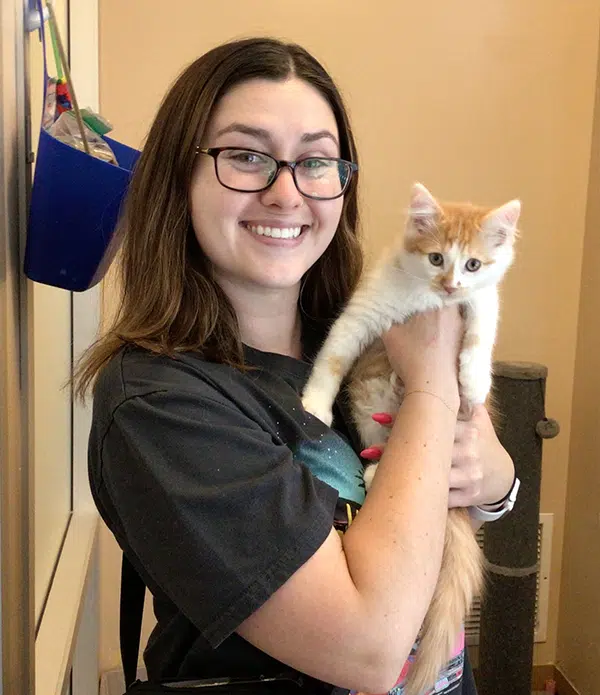
Every adoption creates space for the next animal in need. Whether a pet comes from a local shelter partner, a transfer partnership, or Joybound’s own Walnut Creek adoption center, adoption remains one of the most direct ways individuals can help reduce shelter overcrowding while changing a life.
FoodShare Pantry
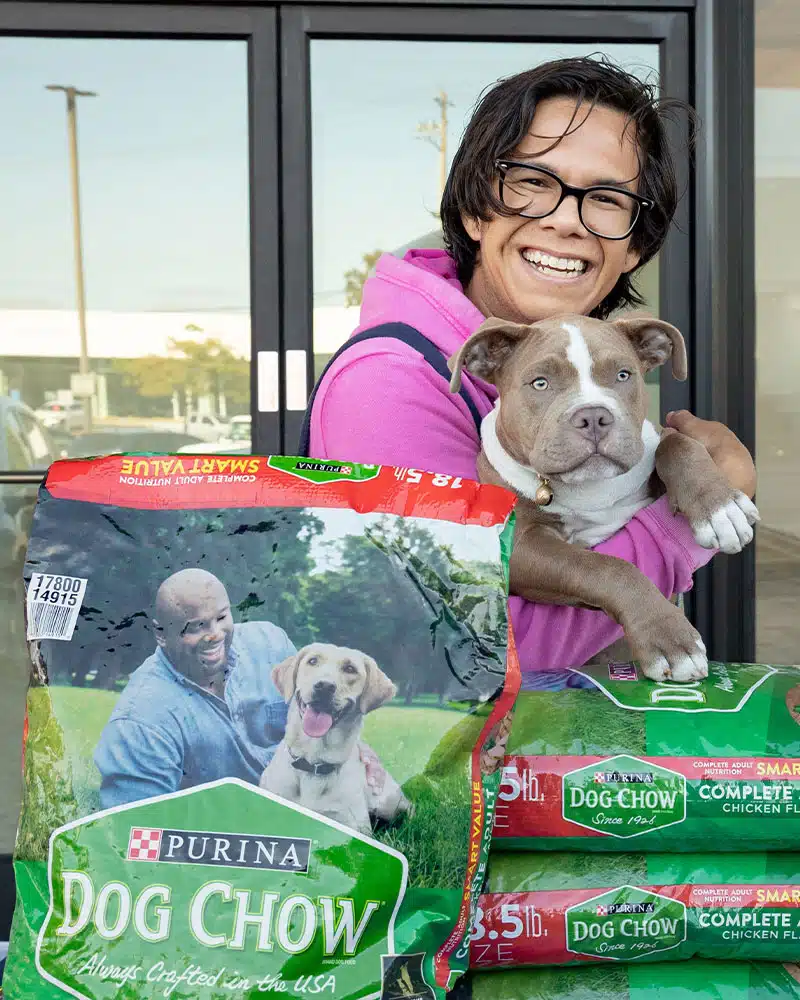
For some families, temporary financial hardship can make it difficult to provide food for their pets. Our FoodShare Pantry offers pet food assistance that helps keep pets with the families who love them instead of forcing difficult decisions during challenging times.
Community Veterinary Care
Access to affordable veterinary care remains one of the biggest challenges identified in national animal welfare reports. Community Veterinary Care helps families access medical services that can improve pet health while reducing barriers to pet ownership.
Free Vaccines and Microchips
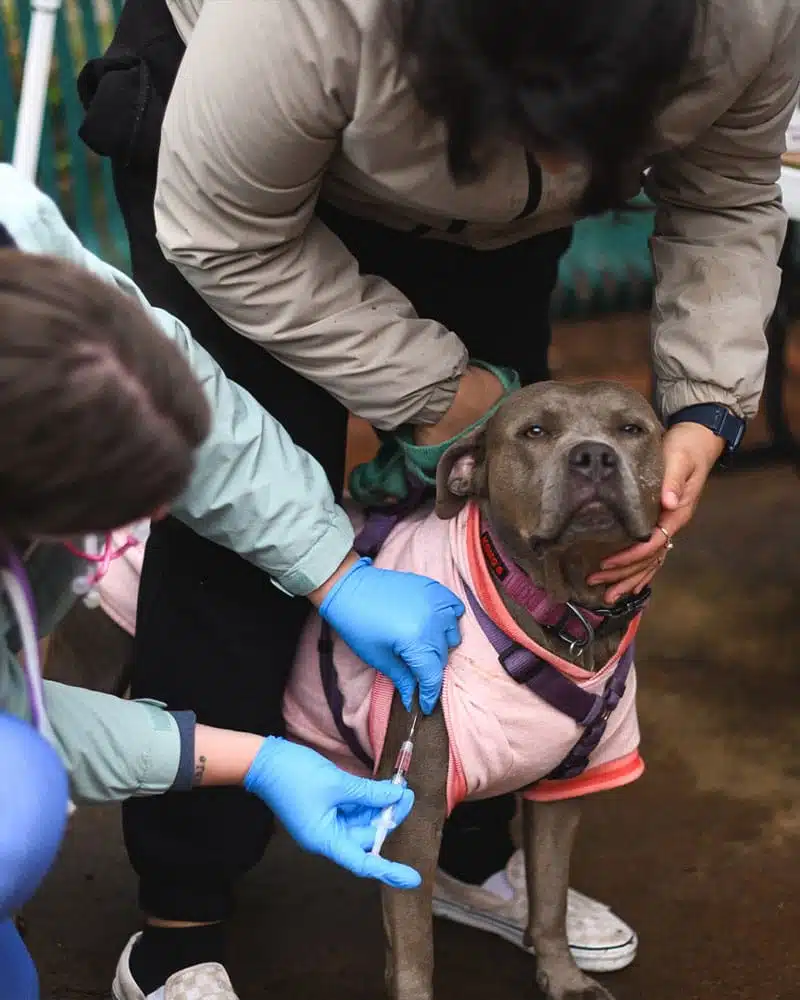
Preventative care is one of the simplest ways to support both pets and public health. Through free vaccine and microchip clinics, we help pets stay healthy, protected, and connected to their families.
Pet Safety Net
Housing instability, medical emergencies, domestic violence, and other unexpected hardships can put pets at risk. Pet Safety Net connects families with resources designed to help them stay together during difficult times.
Training and Behavior Support
Behavioral challenges are among the most common reasons families consider surrendering a pet. Training and behavioral support services can help address issues before they become overwhelming, benefiting both pets and their people.
Pet Boarding (Coming Soon)
With construction starting soon, Joybound’s Liberty Center will expand access to temporary pet boarding, behavioral support, and additional community resources designed to help families navigate life’s challenges while keeping pets safe and cared for.
How You Can Help
For the kind-hearted, individual who wants to start making a difference, there are many ways to get involved, whether at Joybound or another organization near you.
- Foster: Fostering provides temporary care for animals while creating much-needed space in shelters. Even short-term fostering can have a significant impact on a pet’s journey to adoption.
- Volunteer: Volunteers support nearly every aspect of animal welfare, from socializing animals and assisting at events to helping behind the scenes.
- Adopt: When you’re ready to welcome a pet into your life, adoption remains one of the most powerful ways to help animals and shelters alike.
- Donate: Financial support helps fund veterinary care, food assistance programs, foster resources, behavioral support, and lifesaving services for pets and families.
- Rethink Animal Welfare: Animal welfare is about more than finding homes for homeless pets. It’s also about helping families keep the pets they already love. Supporting access to veterinary care, behavior resources, pet food, foster care, and housing solutions can be just as impactful as supporting adoptions.
As the latest national data shows, keeping pets and people together is increasingly one of the most effective ways to reduce shelter overcrowding and strengthen communities. And when communities come together around those solutions, everyone benefits, especially the animals.
Get Involved
Donate
Your gift changes lives.

Sign Up for Email
Receive updates and inspiring stories.

Volunteer
Volunteers make our mission possible.
We feed our animals high-quality Purina pet food.

You can find all our adorable, adoptable animals on Petfinder.

We’re a proud recipient of funding from the Engelstad Foundation.
We’re honored to elevate animal wellness alongside the ASPCA.
VCA’s expert care heals pets and Joybound shelter animals alike.